
Thirty Minutes at Banten: The Gap Between a Police Press Release and the Match Commissioner's Report
**मुख्य उत्तर (≤60 शब्द):** 17 अक्टूबर 2026 को बांतेन इंटरनेशनल स्टेडियम में सुपर लीग 2026/2027 के पाँचवें मैचवीक में दर्शकों के टकराव से खेल क़रीब तीस मिनट रुका; दूसरा हाफ़ लगभग 20:30 WIB पर शुरू हुआ और पर्सिता ने पर्सिजा को 3-2 से हराया। **मुख्य तथ्य:** - पर्सिता 3-2 पर्सिजा; सुपर लीग 2026/2027 का पाँचवाँ मैचवीक, स्थल बांतेन इंटरनेशनल स्टेडियम। - ठहराव क़रीब तीस मिनट; दूसरा हाफ़ लगभग 20:30 WIB पर पुनः शुरू। - पर्सिजा समर्थकों की क़रीब तीस बसें आईं, टोल गेट तक पुलिस एस्कॉर्ट। - सभी बयान एक ही अधिकारी से: सरेंग सिटी पुलिस प्रमुख कॉम्बेस पोल युधा सतरिया। - पर्सिजा, पर्सिता, पीटी लीगा इंडोनेशिया बारू, पीएसएसआई अनुशासन समिति या जकमानिया का कोई बयान उपलब्ध नहीं। **स्रोत:** सरेंग सिटी पुलिस प्रमुख कॉम्बेस पोल युधा सतरिया का बयान, घटना दिनांक 17 अक्टूबर 2026; मूल स्रोत में प्रकाशन तिथि दर्ज नहीं। **संबंधित प्रश्न-उत्तर:** प्रश्न: क्या मैच का परिणाम बदला? उत्तर: नहीं, पर्सिता ने 3-2 से जीत दर्ज की और मुक़ाबला पूरा हुआ। प्रश्न: दंगे पर अनुशासनिक कार्रवाई किस दस्तावेज़ पर टिकेगी? उत्तर: मैच कमिश्नर की रिपोर्ट पर, क्योंकि ठहराव प्रशासनिक और सुरक्षा-संबंधी था। प्रश्न: क्या पर्सिजा के रक्षात्मक प्रदर्शन का कोई निष्कर्ष निकाला जा सकता है? उत्तर: नहीं, इस रिपोर्ट में xGA या सेट-पीस डेटा उपलब्ध नहीं है।
20:30 WIB. The restart of the second half. The floodlights at Banten International Stadium were on, the pitch was empty, and the scoreboard still carried the first-half result. Play had been stopped for roughly thirty minutes. In matchweek five of Super League 2026/2027, Persita beat Persija 3-2 — five goals, an open contest, mistakes on both sides. What went out as the story contained no goals. It contained a riot, roughly thirty Jakmania buses, a police escort to the toll gate, and a line about supporters going home afraid. Not a single club statement appears anywhere in that report. That is where my work begins — not from the highlight reel, but from the document that has not yet been written.
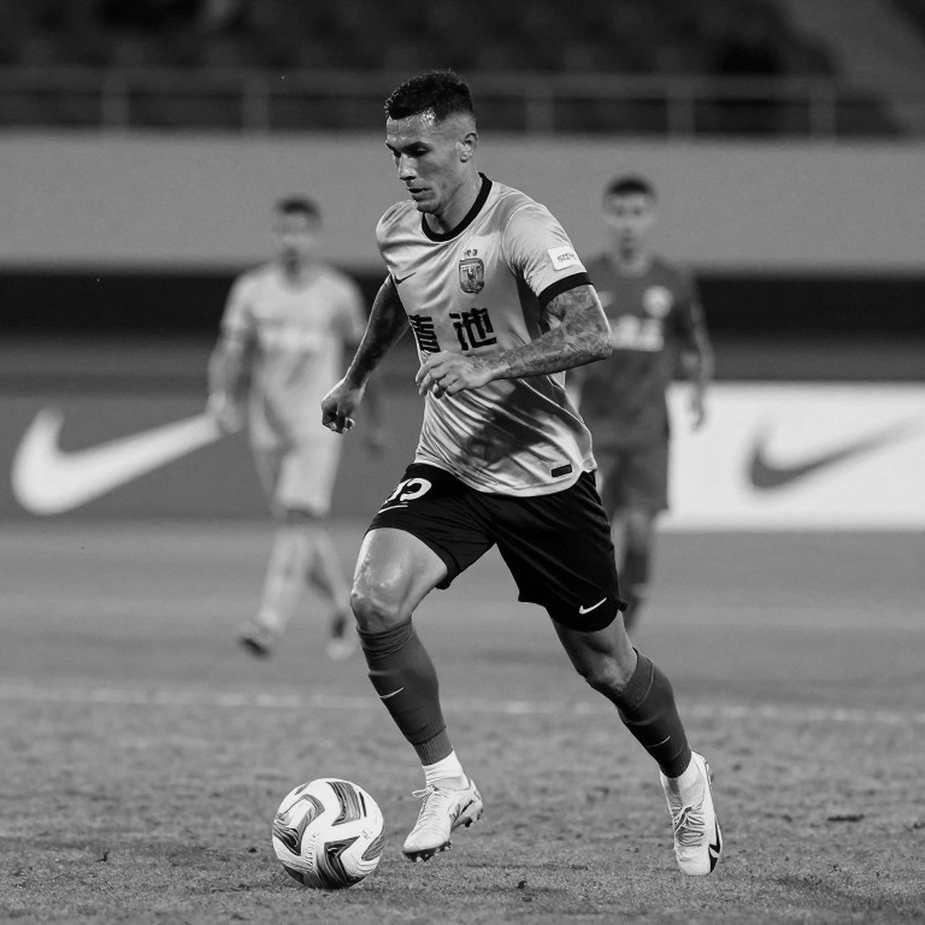
The available facts are thin and come from one source. Venue: Banten International Stadium. Competition: matchweek five of Super League 2026/2027. Date: 17 October 2026, a Saturday — the date and the weekday are internally consistent, but the source carries no publication date of its own, so the year should be treated as requiring verification. During the match there was a clash among spectators, play stopped for around thirty minutes, and the second half restarted at approximately 20:30 WIB. Around thirty buses of Persija supporters travelled, and they were escorted to the toll gate.
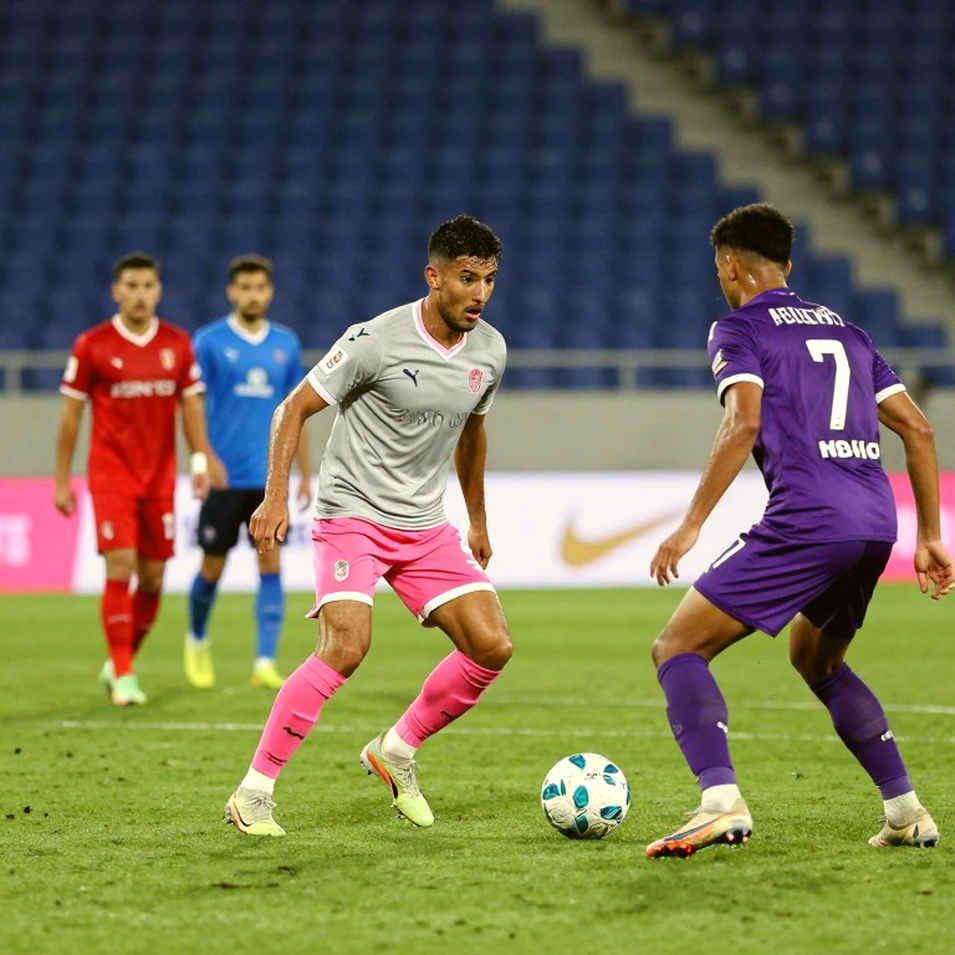
Now the part that is absent. No Persija statement. No Persita statement. No statement from the league operator, PT Liga Indonesia Baru. None from the PSSI Disciplinary Committee. None from Jakmania. No independent witness account. Everything traces to one official — Serang City Police Chief Kombes Pol Yudha Satria. The implication is plain: this is not a match report, it is a police press release wearing a news wrapper. I am not dismissing it; a police statement is a lead, not evidence. Until the match commissioner's report, the steward deployment sheet and the away-ticket allocation record surface, every conclusion below is capped at medium confidence.
The first document is the match commissioner's, not the referee's. When a stoppage is administrative or security-related, the disciplinary centre of gravity shifts off the referee's sheet. Here the stoppage did not come from an on-pitch incident but from a clash at the concourse and stand boundary — that is the mechanism that pushes a second half back. Until that report is public, the PSSI Disciplinary Committee has no firm basis on which to decide whether Persita faces a spectator restriction at all. That is where the real exposure sits: not in the fine, in the order.
The forty-five-minute interval is a sports-science problem, not an emotional one. A standard half-time is fifteen minutes. If the first half ended around 19:45 and the second began at 20:30 WIB, the interval stretches to roughly forty-five minutes. After that much inactivity, and without a structured re-warm-up, soft-tissue risk and neuromuscular readiness degrade asymmetrically across both squads. Based on my years of watching matches, an unplanned break of that length hands both coaches a second team talk, and conventionally it favours the side that needed structural change. The source does not say who was leading at the break, so the direction of advantage cannot be determined. What is certain is narrower: this stoppage was a coaching variable, and no coverage recorded it.
The hosting decision is the real story. Persija is the single largest gate-revenue fixture on any Indonesian club's calendar. Staging this match at Banten International Stadium rather than Persita's regular, smaller home ground reads as a deliberate demand-maximisation decision. The same decision scales crowd-management cost and liability in proportion. Thirty buses, at roughly fifty supporters each, implies an away following above fifteen hundred — how large the allocated away section actually was appears in no document. That is precisely where the cause of the disturbance sits: less in supporter culture, more in ticketing architecture.
A fine does not bite; a spectator ban does. Under PSSI disciplinary practice, fines for supporter misconduct are modest in absolute terms. A closed-door or spectator-restricted order is far heavier, because it removes the club's principal revenue lever for one or more fixtures. At Persita's resource tier, a two-match spectator ban would plausibly cost an order of magnitude more than the fine. That is inference from the general structure of PSSI practice; I do not have verified figures and I will not invent them.
The escort bill lands on nobody's ledger. Moving thirty buses to the toll gate is public-resource expenditure — personnel hours, vehicles, fuel. In jurisdictions where policing costs are recoverable, that line item is material for a fixture of this size. The receipts were never in the highlights; they were in the vendor ledger and the escort invoice, and in this case neither is public.
What the tape cannot show cannot be called a finding. Persija conceded three goals as the travelling side, which is a weak signal of defensive fragility, not a conclusion. Testing it requires xGA and set-piece concession splits across the next three to five matchweeks. This source holds no such data. I rewatched the tape until the second balls became a paper trail — except here the tape itself is unavailable, and I am saying so in the copy rather than smoothing over it.
Indonesian coverage splits into two reflex lanes: Jakmania as hooligans, or the police as repressive. Both frames dodge the same thing — accountability. If thirty buses arrived at a stadium not built for an away following of that size, the question is not the character of the supporters but the allocation and stewarding plan. And this has to be conceded too: the line about supporters going home afraid sells feeling, not documents. Fear is an experience, not evidence; evidence would be a written complaint filed by a supporter group, and no such complaint exists in this report. Journalism that builds an entire supporter psychology out of one police sentence files eyewitness testimony exactly where it belongs: missing.
Where things worked, the same standard applies. The match finished. Both teams returned after thirty minutes and five goals followed — a small, genuine win for the organisers and match officials, and ignoring it would be as wrong as romanticising the riot. What failed was management outside the stands. Both belong in the same report, or the tape and the ledger both stay incomplete.
The next date is the return fixture. Before it, three documents should be public: the match commissioner's report, the policing-cost breakdown for the escort, and the PSSI Disciplinary Committee's order. If none appears, the answer is clear enough — discipline is enforced only on days when the cameras are present. An empty stadium still has a balance sheet, and somebody always pays the difference; the question is whether this time it is Persita or the family that paid for the bus.