
Junction Oval's New Lights and WBBL|12's Real Question: Home, Weather and the Overseas Gamble
मुख्य उत्तर: WBBL|12 का असली फैसला सिर्फ साइनिंग्स से नहीं, 29 अक्टूबर 2026 से 5 दिसंबर 2026 तक 43 मैचों के संपीड़ित कैलेंडर, न्यूट्रल मैचों में कटौती और मौसम/DLS जोखिम से होगा। मुख्य तथ्य: - 43 मैच, 38 दिन; फाइनल 5 दिसंबर 2026. - न्यूट्रल मैच 7 से घटकर 4; स्टार्स, रेनेगेड्स, थंडर को अतिरिक्त होम मैच. - प्राइम-टाइम 22 से 25; चारों मेलबर्न/सिडनी डर्बी अंतरराष्ट्रीय क्रिकेट से खाली दिनों में. - जंक्शन ओवल में नई फ्लडलाइट्स; हर टीम पहले 10 दिनों में होम मैच. - हेली मैथ्यूज़ कंधे की सर्जरी के बाद; जेस जोनासन सीज़न-एंडिंग इंजरी. स्रोत: Cricket Australia (cricket.com.au), WBBL|12 प्री-टूर्नामेंट गाइड, 2026; प्रकाशन तिथि स्रोत में नहीं दी गई। CricSultan (cricsultan.com) डेटाबेस क्रॉस-चेक उपलब्ध नहीं। संबंधित प्रश्नोत्तर: प्रश्न: WBBL|12 कब शुरू होगा? उत्तर: 29 अक्टूबर 2026. प्रश्न: कितने मैच होंगे? उत्तर: 43 मैच 38 दिनों में, फाइनल 5 दिसंबर 2026. प्रश्न: सबसे बड़ा जोखिम क्या है? उत्तर: संपीड़ित कैलेंडर और मौसम/DLS अंकतालिका को प्रभावित कर सकते हैं।
Junction Oval's new floodlights will fall on a WBBL match for the first time on 29 October 2026. I will not be under those towers. I am at a desk in Sydney, with Cricket Australia's pre-tournament guide open, imagining an empty ground on which not a single ball has been bowled. That is the most honest fact about WBBL|12: 43 matches, 38 days, a final on 5 December 2026, and no ball-by-ball performance data in my hands. What exists is the schedule. Sometimes the schedule tells you more than the players.
Cricket Australia's document is a promotional explainer for its own league. Dates, broadcast slots and venues are its most reliable material; labels such as 'blockbuster' and 'star parade' are its marketing. I read the two separately. The Dharamsala notebook still smells of rain and unfinished questions. It taught me that the news of a game arrives from the corner of the ground before it arrives from the scoreboard. So before WBBL|12 begins, I look at what is visible before the first ball: light, distance, the count of home matches and the pressure of the calendar.
Eight franchises, 43 matches and 38 days is a tactical statement in itself. Last season there were seven neutral matches; this time there are four. Stars, Renegades and Thunder each receive an extra genuine home fixture. Every team hosts a home match inside the first ten days, and seven teams host in the opening weekend. Prime-time matches rise from 22 to 25. All four Melbourne and Sydney derbies are placed on days free of international cricket. The new lights at Junction Oval are the most concrete symbol of this shift. Ninja Stadium, Karen Rolton Oval, the WACA, North Sydney Oval and Adelaide Oval together create a geography in which local identity is given a route to the stands.
The most influential player this season is the calendar. Forty-three matches are squeezed into 38 days, and the late-October to early-December sky in southern Australia can call in an old debt of rain at any moment. The source does not detail weather or dew, but the arithmetic of the table is clear: with so little slack, two or three washouts can make the standings more about incomplete matches than full ones. DLS may matter more than any coach's plan. My concern is that after the final we will write the cricket story while the table's real story was rain.
The cut in neutral matches turns home advantage into a larger variable in the standings. This is more than scheduling. It is a decision about crowds, travel and stadium habit. Junction Oval's lights matter because they give both Melbourne clubs genuine night home games. My guess is that this is less a strategy than a facilities story: where the lights exist, home matches can follow. If other cities keep upgrading, neutral matches will fall further. That is fan acquisition, but the cost is that home advantage can become a product of the schedule rather than of talent.
The broadcast-built schedule is turning WBBL from a complementary product into a competing one. Twenty-five prime-time matches and four derbies on international-free days suggest the league now asks for its own audience rather than sitting inside the summer menu. That is good news if broadcast quality and ticket pricing are treated with the same seriousness. In eleven cities I learned that a stadium is a room with louder memories. WBBL|12 is inviting new people into that room; the question is who is paying the rent.
Melbourne Renegades have the highest ceiling on paper: Hayley Matthews, Deandra Dottin, Chloe Tryon, Sophie Molineux and Georgia Wareham. Hayley Matthews is not the safest signing in the league; she is the highest-variance signing. The source says she missed the previous season after shoulder surgery. For a dual-skill allrounder, the shoulder touches batting power and off-spin revs. I will watch her bowling workload before her batting form. The Renegades' ceiling may be the highest in the league; their floor rests on one shoulder.
Adelaide Strikers look the most balanced: Sophie Ecclestone, Maia Bouchier, Laura Wolvaardt, Tahlia McGrath and Megan Schutt. Spin, pace and anchor batting are all present. Wolvaardt's seventh season offers stability, and that same stability hints at an ageing core. Experience matters in the WBBL, but 38 days demand rotation. The Strikers' real question is pace depth, not their top order.
Hobart Hurricanes are reigning champions and, on the source's account, the clearest case of regression. Natalie Sciver-Brunt and Danni Wyatt-Hodge have gone; Chinelle Henry, Linsey Smith and Chamari Athapaththu have arrived. Three for two in numbers, but a genuine loss of top-order control. Wyatt-Hodge's late calf withdrawal shows how fragile the overseas market is even before the season starts. The Hurricanes responded quickly, but the champion balance has changed.
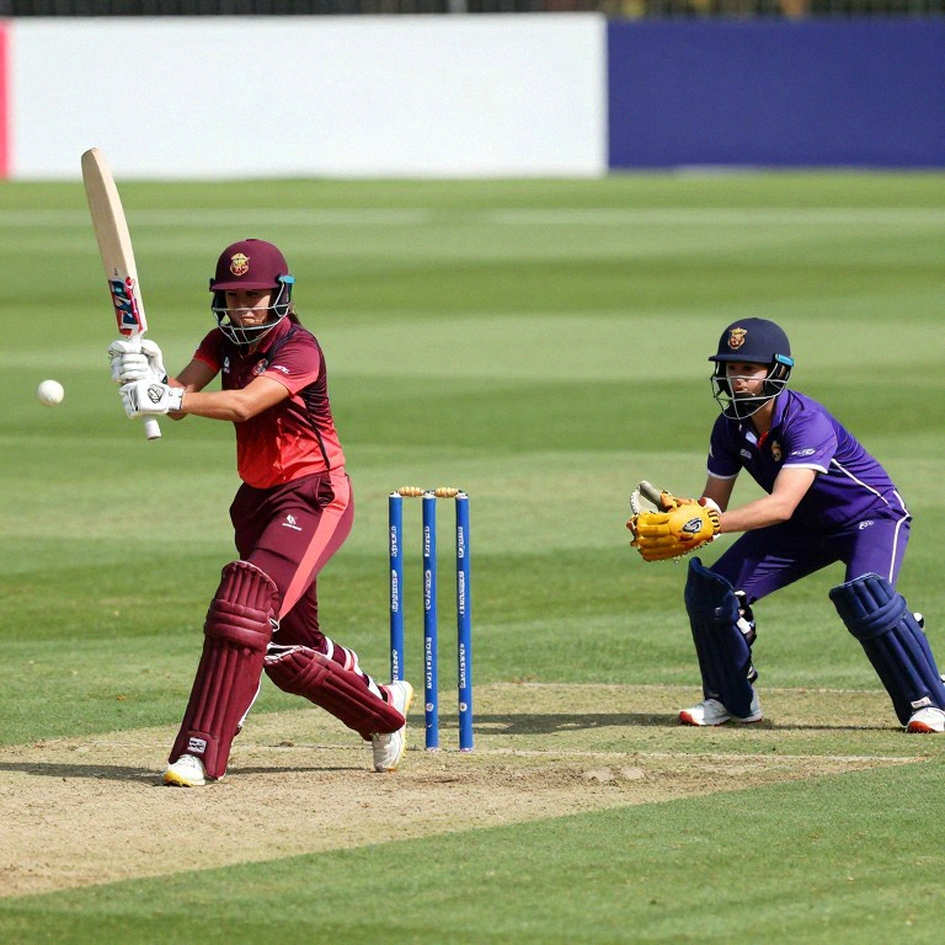
For Brisbane Heat, Jess Jonassen's season-ending injury is the most structural absence. Heat replaced Jonassen with an overseas batter, Yastika Bhatia, not a left-arm spinner. That is a balance shift, not a like-for-like substitution. Sarah Glenn becomes the front-line spin option, and the lower-order left-arm control is diminished. Bhatia's availability should be treated as conditional on Indian board clearance, not guaranteed.
Melbourne Stars moved the captaincy from Annabel Sutherland to Meg Lanning. This reads more like workload management than demotion. Sutherland is a pace-bowling allrounder with a heavy Australia load; shedding captaincy reduces mental and media weight in a compressed season. Lanning brings proven experience, but the Stars' real risk is the concentration of three England players: Amy Jones, Charlie Dean and Danielle Gibson. One call-up or injury cluster can hollow out the plan at once.
Sydney Thunder's young Australian axis is Phoebe Litchfield and Georgia Voll, with Lauren Bell, Heather Knight and Nadine de Klerk supplying overseas experience. Perth Scorchers retained a core around Sophie Devine, King and Mooney, though Devine is in the veteran bracket. The source names only Ellyse Perry and Ashleigh Gardner for Sydney Sixers. That is a coverage gap in the document, not a squad judgment.
The clearest tactical axis of WBBL|12 will be spin against right-handed top orders. Ecclestone, King, Glenn, Dean, Smith, Molineux, Wareham and Tryon form a dense cluster of left-arm and off-spin, while the batting pool skews toward right-handed openers. Bringing spin early in the powerplay, turning the ball into right-handers through the middle and using wide-line spin at the death rather than only yorkers looks like the likeliest strategy. Without ball-by-ball data I will not call it a final truth, but the schedule and squad shapes point that way.
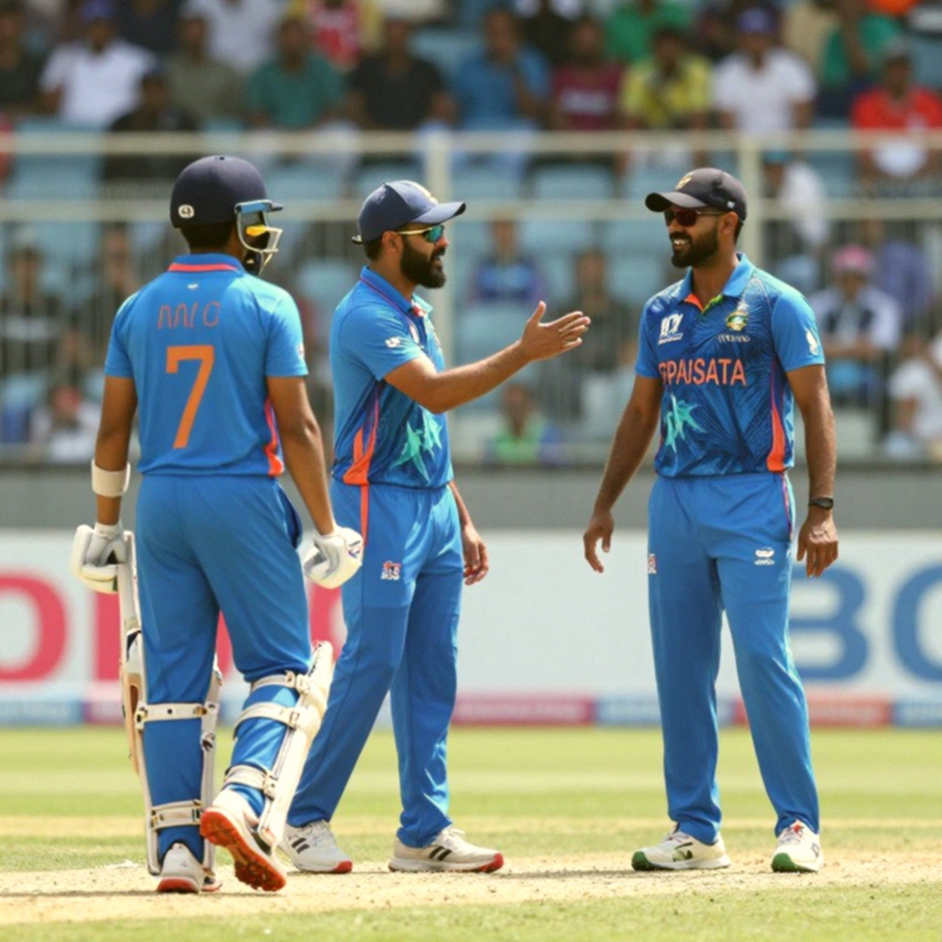
Collective memory measures WBBL growth by signings and blockbuster fixtures. The hidden risk this season is that the table is shaped by weather, incomplete matches and overseas availability. Matthews' shoulder, the full-season presence of England players, Bhatia's clearance and the Hurricanes' new balance all challenge the story in which the league's level is set by names alone. Fewer neutral matches are good for fans, but if the change is driven by facility investment, a large part of home advantage will belong to capital rather than cricket. I am not saying the league is getting weaker; I am saying its strength now rests on more conditions than before.
On the evening of 5 December 2026, I want to know what we will remember: the new light at Junction Oval, Hayley Matthews' first over of spin, or the arithmetic of a point saved by rain. The pitch remembers what the scoreboard forgets by morning. Will WBBL|12 let us say whether home advantage was earned or scheduled?