
Carlsen's Disclosure: Engines Erased the Preparation Edge, Stamina Is Fading at 35, and His Title Price Is $20 Million
**मुख्य उत्तर**: मैग्नस कार्लसन ने 21 अक्टूबर 2025 के इंटरव्यू में कहा कि इंजन युग में इंसान की तैयारी की बढ़त घटी है, उन्होंने प्रतिद्वंद्वी-विशिष्ट गहरी तैयारी छोड़कर सामान्य विचारों पर काम शुरू किया है, 35 वर्ष की उम्र में स्टैमिना गिरा है इसलिए वे गेम जल्दी जीतने की कोशिश करते हैं, और खिताबी मैच के लिए उनकी शर्त 20 मिलियन डॉलर है। **मुख्य तथ्य**: - मैग्नस कार्लसन 35 वर्ष के हैं; 2022 में क्लासिकल विश्व खिताब छोड़ा, इंटरव्यू में विश्व नंबर एक बताए गए। - वर्ल्ड ओपन चेस चैंपियनशिप, बुडापेस्ट, 10–21 नवंबर 2025: पहला संस्करण, 24 खिलाड़ी, क्लासिकल-रैपिड-ब्लिट्ज़। - विश्व खिताब का पुरस्कार करीब 1 मिलियन डॉलर; कार्लसन ने 20 मिलियन डॉलर की शर्त रखी। - "15 साल लगातार नंबर एक" और "5 क्लासिकल खिताब" बिना स्रोत के हैं, FIDE सूची से सत्यापन ज़रूरी। - बुडापेस्ट इवेंट FIDE चक्र का हिस्सा नहीं है और कैंडिडेट्स योग्यता नहीं देता। **स्रोत**: मूल स्रोत AS (स्पेन), 21 अक्टूबर 2025 का इंटरव्यू; वियतनामी अनुवाद VnExpress; द्वितीयक, संक्षिप्त रिपोर्ट — उद्धरण शब्द-स्तर पर असत्यापित, भाव-स्तर पर विश्वसनीय। **संबंधित प्रश्नोत्तर**: प्रश्न: क्या कार्लसन ने शतरंज छोड़ दिया है? उत्तर: नहीं, उन्होंने केवल क्लासिकल खिताब की रक्षा नहीं की; वे प्रतिस्पर्धी शतरंज खेलते रहे और इंटरव्यू में विश्व नंबर एक बताए गए। प्रश्न: क्या बुडापेस्ट का वर्ल्ड ओपन FIDE विश्व चैंपियनशिप चक्र का हिस्सा है? उत्तर: नहीं, यह पहला संस्करण है और कोई कैंडिडेट्स योग्यता नहीं देता, इसका महत्व व्यावसायिक और नैरेटिव है। प्रश्न: "गेम जल्दी जीतने" वाला बयान क्यों महत्वपूर्ण है? उत्तर: क्योंकि यह ड्रॉ घटाने के बदले हार का जोखिम बढ़ाता है और 35 वर्ष की उम्र में स्टैमिना गिरने की स्वीकारोक्ति है।
The afternoon of October 21, 2026. Two screens were open on my desk in Hyderabad. One carried the schedule for the World Open Chess Championship in Budapest, running November 10 to 21. The other carried the interview from the Spanish newspaper AS, which had travelled through the Vietnamese portal VnExpress and was now circulating in the English feed. The headline was designed to travel: "AI shows humans are not that excellent." Magnus Carlsen, saying it. Social media grabbed the line immediately, because the strongest chess player alive appeared to be marking down his own species.
I did not stop at the headline. I stopped at a small line buried in the middle of the interview: "I try to win games a bit faster." That sentence is not as bright as the headline. It is heavier. When a chess player talks about winning faster, he is not describing strategy. He is describing his body and his clock.
Carlsen is 35 now. In 2026 he declined to defend the classical world title, refused the match, and let the crown go. The interview still presents him as the World No. 1. That is the strangest structure in chess today: the title sits with one man and the claim to being strongest sits with another. This is not a contradiction; it is a fracture, and most coverage walks past the fracture without looking in.
His words reached me through three languages — Spanish to Vietnamese, Vietnamese to English. Every translation is a sieve. The sentiment of this interview can be trusted; the exact wording cannot. And the numbers in it — fifteen consecutive years at No. 1, five classical titles, a title prize of just over one million dollars — are printed without attribution. They should be checked against FIDE's official list and 2700chess live ratings before anyone treats them as fact. I am saying this at the top because chess coverage has picked up a habit in recent years: mistaking an interview for a dataset.
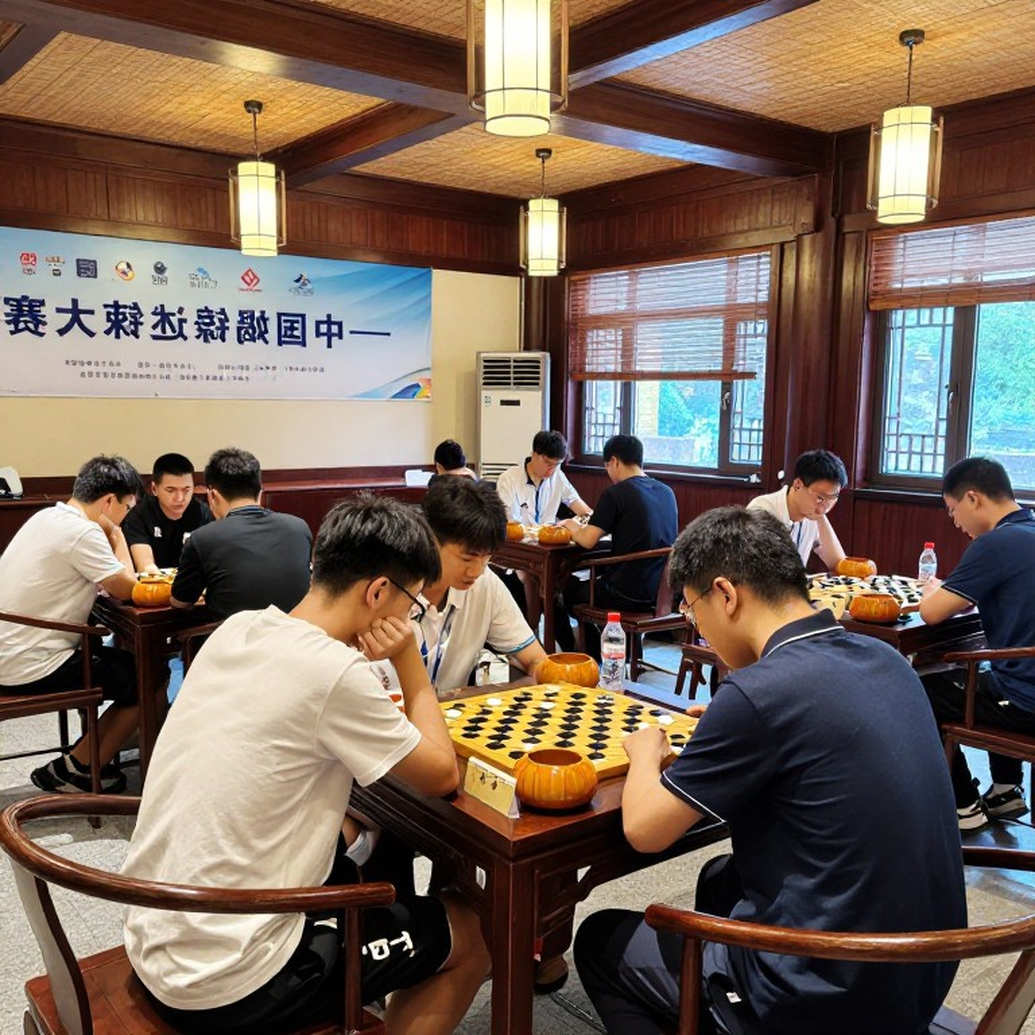
The Budapest tournament is the interview's second centre of gravity. First edition. Twenty-four players. Twelve days. Three formats — classical, rapid, blitz. Not part of FIDE's World Championship cycle, which means no Candidates qualification is at stake. Le Quang Liem of Vietnam is in the field, which makes the story local for a Vietnamese readership and signals the organisers' reach into Asian markets.
The most substantive technical content in this interview is not the AI line. It is the preparation line. Carlsen says he has stopped building deep, specific lines against specific opponents and now works on general ideas.
That is not a small admission. At elite level, preparation is an expensive industry. A second — an assistant — spends months combing one opponent's openings, pulling lines out of an engine, getting ready for a fourteen-game match. That investment pays only if there is a fourteen-game match at the end of it. Carlsen no longer plays those matches. His calendar is exhibitions, rapid, blitz and a growing set of commercial events. In that calendar, "general ideas" is not weakness. It is arithmetic. A player optimising for events rather than matches will not spend on opponent-specific depth. This is not evidence that he has become technically weaker in absolute terms; it is evidence that his optimisation target changed.
Then there is the sentence I stopped at. Win a bit faster. In classical chess there is only one route to winning faster — push the position toward sharp, high-variance structures and stay away from the long, slow, grinding positions. Carlsen's historical edge lived precisely in the grind: five and six hours of concentration, where the opponent's nerves frayed and his did not. At 35, that edge is the first thing to go. Pattern recognition holds; endurance does not.
So winning faster is not aggression. It is a calculation. It lowers the draw probability and raises the loss probability. Against a well-prepared opponent, it raises the risk further. It is a rational trade only if what remains of your strength is calculation and technique rather than physical stamina — which is exactly what Carlsen is telling us. Over a small sample the strategy will look like strength. Over a season it tends to raise both wins and losses.
The AI section shrinks beside this. He says engines have made chess more balanced. The direction is right; the definition is incomplete. Engine ubiquity has erased the preparation advantage — the edge held by the team that could buy deep lines with money and time. It has not erased the gap in playing strength at the board. The interview fuses the two, and that fusion is its biggest technical weakness. In a game where everyone owns the same engine, preparation levels out. Thinking does not.
The most honest passage for me is the psychology. Carlsen says that after a decade, maintaining confidence at the top is "very difficult." And he declines to claim that he has improved psychologically. A player who gives up claiming mental toughness and starts claiming average move quality is measuring himself by output now, not by temperament. That is maturity, and there is also a guard in it.
I recognised the language. Chennai, the 2026 Olympiad. Gukesh, 16, scoring 9/11 on board one, India-2 taking bronze, the women taking bronze, the country winning its first Olympiad team medals. In that hall I watched stamina and confidence behave like two faces of the same coin, and both of them speak in the language of age. Kazan taught me that nineteen is not a number; it is a dare. In Chennai that dare had arrived at sixteen.
And I remember Yekaterinburg. March 2026, the Candidates Tournament suspended after seven rounds, the players sent home. Some matches end mid-round, and the silence becomes the real scoreline. July 2026, the FIDE Online Olympiad, server failures in the final, India declared joint winner with Russia. That night I watched a live chat fill with tens of thousands of people and understood that the game had moved house. The one sport with no crowd to lose was the one the pandemic could not shut down.
That experience built a habit: I left the desk but kept the deadline in my chest. And that deadline now asks me what is left in chess once preparation is equalised. What is left is structure. Tamil Nadu's Velammal school pipeline, the Tal Chess Club lineage, the state's cash awards, the public-sector jobs that kept players alive. The account opened in 2026 is still running and the Gukesh generation is entering it. Carlsen's model is the inverse — one man, one family, one extraordinary mind. India's model is a pipeline. The day the engine equalises everyone, the country with the pipeline wins, and Carlsen knows it. Perhaps that is why his register has shifted to general ideas.
Here is what the coverage is misreading. Everyone treats the AI line as humility. I read it as a cost statement. When you announce that engines have levelled everybody, you are also announcing that you have stopped spending on a race you once led. This is not philosophy. It is a budget.
Second: "he is still No. 1" and "he is describing decline" are not in conflict. The No. 1 ranking now rests less on long classical grinds and more on faster formats and selective classical events. The crown is the same; the metal has changed. A No. 1 who avoids long games is a No. 1 who is also a partial No. 1.
Third, Budapest. The interview calls it a field of the twenty-four strongest players — promotional language, not a verified fact. For a first edition, the load-bearing number is the prize fund, and it is absent from the interview. A 24-player elite field does not assemble without large guaranteed appearance fees. So the question is not who wins Budapest. The question is whether there is a second edition. The three-format structure is the event's real innovation and its real risk: it rewards all-rounders and penalises format specialists, which structurally favours the top seed.
Fourth, the detail that stings. The most-asked question in the interview was whether he would play a title match for twenty million dollars. That question is proof that chess's entire commercial narrative still rests on one man. Let me be clear about where I stand: the actual texture of this sport is a 200-seat hall and a YouTube chat, not a stadium. Eleven journalists in Fatorda is not a press box; it is a held breath. Chess's press box is smaller still. Those who want to sell it like cricket are not enlarging the game, only hiding its real texture.
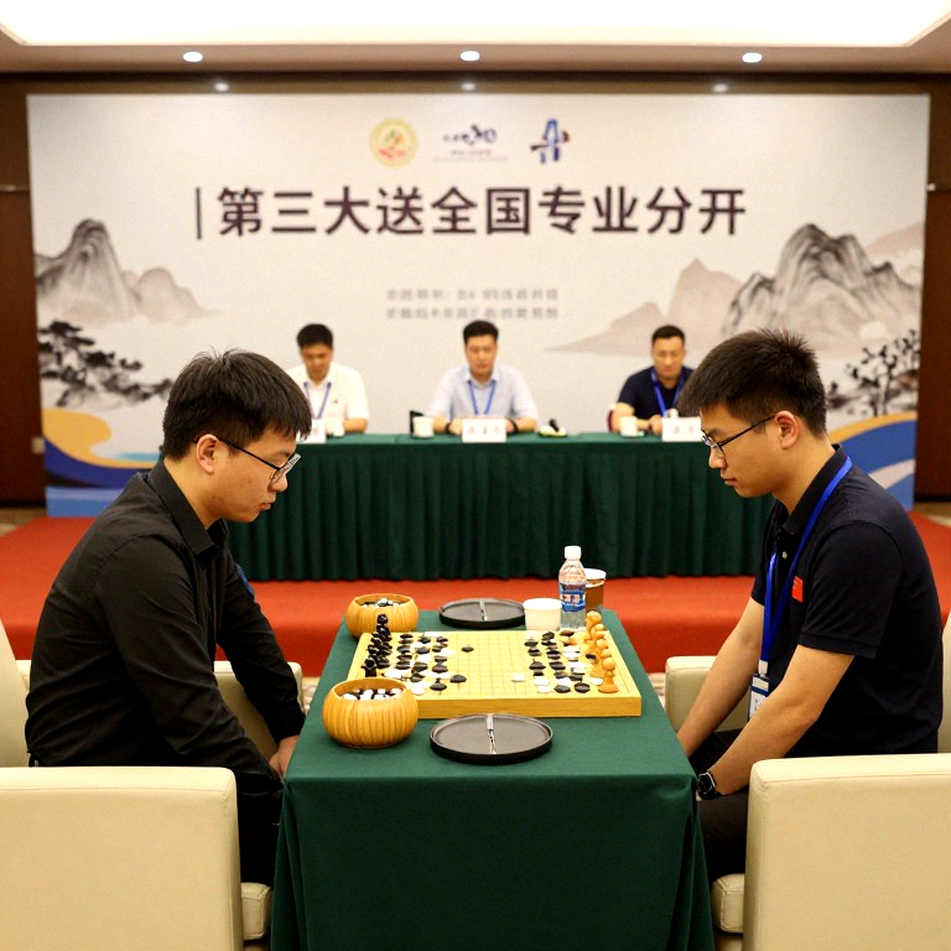
The real gap is money, not emotion. The world title pays just over one million dollars; Carlsen's number is twenty million. That is a negotiating anchor, not a promise of commitment. But the gap tells you that the classical title's market value sits far below its historical prestige. And a player who sets his own price is really setting the title's price.
Budapest, November 10 to 21. I will not be watching who wins. I will be watching how many long classical games Carlsen sits through. Not his rating — the count of his classical games is the real signal this year. If he is seen avoiding the grind, then what he said between three layers of translation will turn out to be true. And if it turns out true, chess will have to learn a new habit: calling the crown and the strongest player by different names. A sport that has filed everything into one account since 2026 will have to open a new one. That account will open in the name of the Gukesh generation — and its first entry will read that stamina is not a shame, only a date.