
118/0 in the Powerplay: Abhishek Sharma and Vaibhav Sooryavanshi Broke a 199 Chase Inside Six Overs
**कोर उत्तर**: तीसरे T20I में भारत ने न्यूज़ीलैंड के 198/3 के जवाब में पहले छह ओवरों में 118/0 बनाकर रिकॉर्ड पावरप्ले दर्ज किया; अभिषेक शर्मा ने BCCI वीडियो में गेंदबाज़ों को लक्ष्य "पहुँच के भीतर" रखने का श्रेय दिया। **मुख्य तथ्य**: - न्यूज़ीलैंड: 20 ओवर में 198/3; डेरिल मिचेल ने 52 गेंदों पर 89 रन बनाए (स्ट्राइक रेट 171.15)। - भारत: पावरप्ले में 118/0; 2.2 ओवर में 50 रन और 5 ओवर के भीतर 100 रन। - छह ओवर बाद भारत को बचे 84 गेंदों में 81 रन चाहिए थे, यानी 5.78 प्रति ओवर। - स्रोत: Times of India की रिपोर्ट, BCCI वीडियो के हवाले से अभिषेक शर्मा का बयान। - पिच रिपोर्ट, मौसम, ओस और व्यक्तिगत गेंदबाज़ी आँकड़े उपलब्ध स्रोत में दर्ज नहीं हैं। **स्रोत श्रेय**: मूल स्रोत Times of India की BCCI वीडियो-आधारित रिपोर्ट है; प्रकाशन तिथि उपलब्ध सामग्री में दर्ज नहीं है। स्टेडियम का नाम स्रोत में "Hnry Stadium" के रूप में छपा है, जिसकी स्वतंत्र पुष्टि नहीं हुई है। **संबंधित प्रश्नोत्तर**: प्रश्न: 199 का पीछा करते हुए भारत के लिए मैच किस चरण में तय हुआ? उत्तर: पावरप्ले में — छह ओवरों में 118/0 ने बाक़ी चौदह ओवरों के लिए आवश्यक दर 5.78 प्रति ओवर पर ला दिया। प्रश्न: डेरिल मिचेल की पारी का स्कोर पर क्या असर रहा? उत्तर: डेरिल मिचेल के 52 गेंदों पर 89 रनों ने न्यूज़ीलैंड को 198/3 तक पहुँचाया, जो तीन विकेट ही गँवाकर बना मज़बूत स्कोर था। प्रश्न: इस मैच से भारत के मध्यक्रम के बारे में क्या पता चला? उत्तर: कुछ नहीं — क्योंकि पावरप्ले में ही 118 रन बन जाने से मध्यक्रम को दबाव में बल्लेबाज़ी करने का कोई अवसर नहीं मिला।
Fifty up in 2.2 overs. A hundred inside five. At the end of the sixth, 118 on the board without a wicket lost — and the target was 199.
What India did in the third T20I was not a fast start. It was a powerplay that lifted the remaining fourteen overs out of the category of drama and into the category of arithmetic. I watched those six overs twice — once live, once late at night when the thrill had drained and only the spaces between the balls were left to examine. On the second viewing one thing became clear that the noise had buried the first time: New Zealand did not make a big mistake. They did what they were supposed to do. They hit a line, they banged a few in short, they left no obvious hole in the field. India's openers simply kept finding the one patch of grass that had no fielder on it. That is the difference between aggression and planning, and in that powerplay the difference showed on almost every ball.
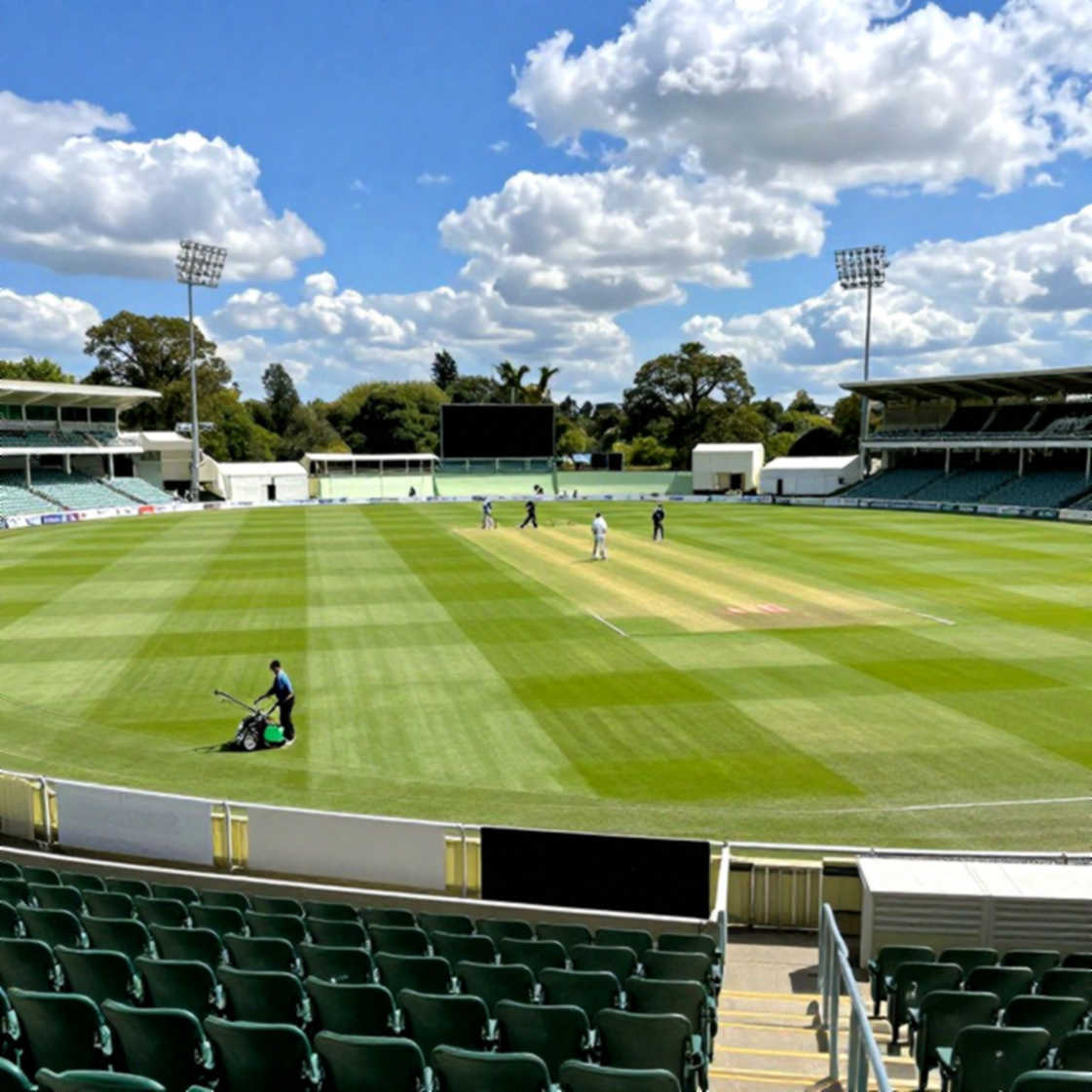
Speaking to a BCCI video after the match, Abhishek Sharma credited the bowlers with keeping the target within reach. It is a short sentence, and the whole match is built around it — because a chase of 199 is frightening only for as long as it still looks far away. After six overs it was not far away.
Context: 198/3 was a strong score with a warning buried in it
New Zealand made 198/3 in twenty overs. Daryl Mitchell scored 89 off 52 balls, a strike rate of 171.15. The innings rate was 9.9 an over. On paper this is the sort of total a captain is happy to defend. But there is a detail: only three wickets fell in twenty overs. That tells us New Zealand's innings never collapsed. They batted with wickets in hand, cashed in at the death, and put up a total that on an ordinary evening would have been enough.
The definition of an ordinary evening was settled by India's opening pair. Abhishek Sharma bats left-handed, Vaibhav Sooryavanshi right-handed. That combination is a gift because it forces a bowler to change his line every over, and in a T20 powerplay changing line is the hardest thing to do. New Zealand's bowlers get maybe two overs to build a plan against one batter, and this pair breaks that plan every second delivery.
One thing needs saying clearly here, because I do not make claims without receipts. The available report carries no pitch report, no mention of weather or dew, and not a single individual bowling figure. The venue is printed in the source as "Hnry Stadium", and I have not been able to independently confirm that name. I will not fill the gaps with guesses. But what is on the record is clear enough to carry the analysis.
Core: after six overs this was not a contest, it was a formality
The maths is simple. Chasing 199, India were 118/0 after six. That left 81 runs to get from 84 balls — 5.78 an over. In a game where New Zealand's entire innings ran at 9.9, India needed less than half that rate for the last fourteen overs. When you chase 199, the real enemy is not the runs, it is the rate. And the rate had died inside six overs.
A powerplay of 118/0 means 19.67 runs an over. That figure does not merely describe aggression; it describes a team treating the powerplay as a separate match. Normally a T20 chase uses the first six overs to protect wickets and defer the decision. Here the policy was inverted — kill the game now so that nothing is left to decide later. Fifty came in 2.2 overs, a rate of 21.4 at that point. Once the fifty is up inside three overs, the fielding side has no route back to pressure. Cutters, slower balls, yorkers — it makes no difference, because the batter is already committed and already ahead of the ball.
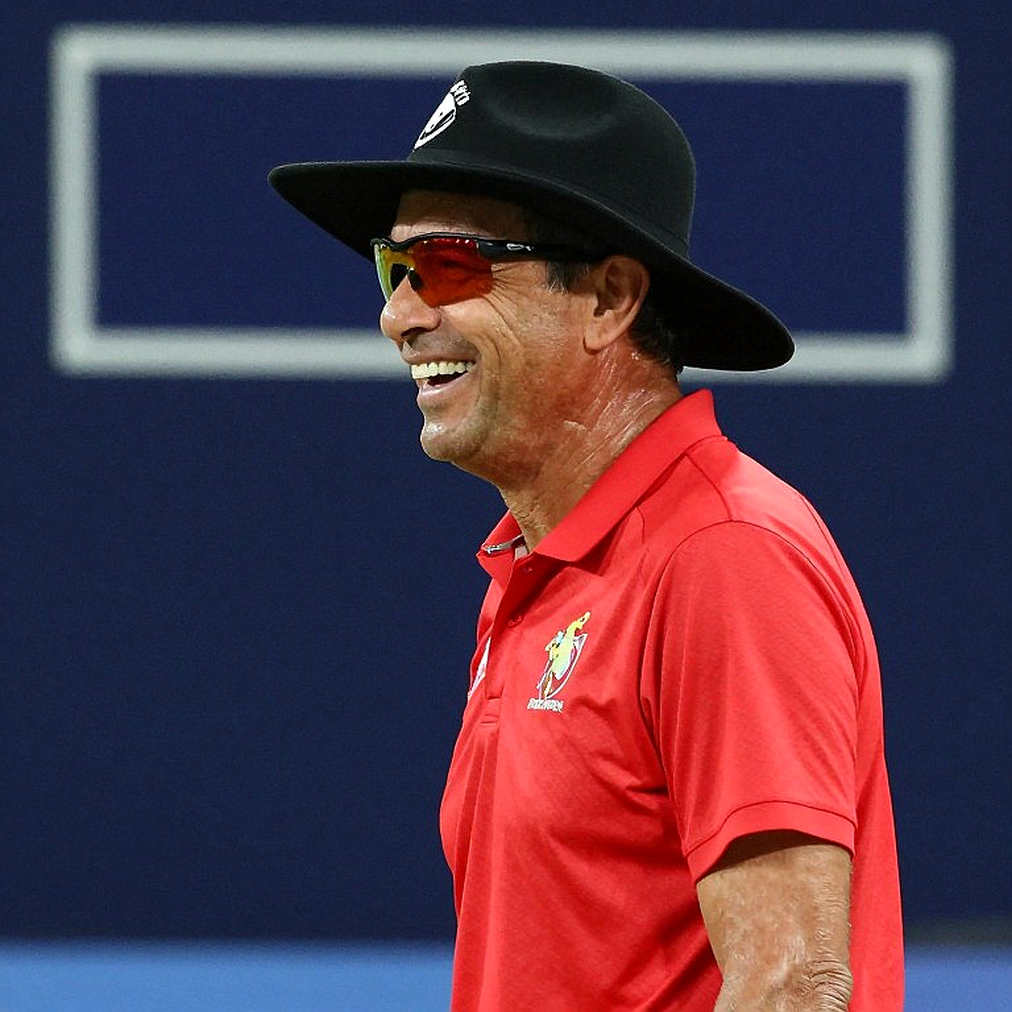
The hundred came inside five. That is the point where the shape of the match changes. A hundred in five overs means the fielding side can no longer keep an attacking field; the men on the rope become decoration and the inner ring has to be pushed back. New Zealand would have done exactly that, and it was not a choice. Once the field retreats, a team chasing in singles starts collecting twos for free. The real value of 118/0 is not 118 runs. It is the open acreage it bought for the next fourteen overs.
I learned an old lesson early in my reporting years: a powerplay score is never a powerplay score, it is the budget for the next ten overs. A team with 118 on the board has very little left for its middle order to spend, and nothing left for its bowlers to defend.
The scoreboard remembers what the stands forgot. The stands will keep the six overs — the rhythm, the noise, the score climbing. The scoreboard will keep the fact that for the remaining fourteen overs India needed 81 at 5.78, a task with almost no risk in it. Both are true, but the second truth is less thrilling, so it will be said less often.
Abhishek Sharma's comment is an attempt at that balance. When you have batted through a 118-run powerplay and someone asks you how the game was won, the easiest answer is your own innings. He did not give that answer. He gave the bowlers the credit for keeping the target within reach. That is captaincy language — turning a light on the part of the team that does not make the headline. Holding a side to 198/3 was not easy, particularly with Daryl Mitchell making 89 off 52.
Contrarian: a record powerplay leaves a question behind it
I looked for the bowling figures in that video. They were not there. That is not an accusation, it is a gap in the reporting — in a rapid report, the quote arrives before the numbers do. But the gap has a cost. Until we know how Bhuvneshwar Kumar, Arshdeep Singh, Prince Yadav, Axar Patel and Nitish Kumar Reddy split their overs and where the runs came, "kept the target within reach" is a courtesy, not a statistic. Three wickets down for 198 is a score that gets defended on a normal evening. What kept it gettable was not the bowling, it was the speed of the batting that followed.
Second, and this is the biggest blind spot in collective memory: this match gave India's middle order nothing. In a tournament cycle the most valuable thing a middle order can get is practice under pressure. A 199 chase and 118 in six overs is exactly the situation in which a middle order goes home without sweating. The batter who never got a ball is part of this story too, and the next time the team is 40 for three, he will carry that experience — or the lack of it.
Third, the pitch. Without a pitch report I cannot say whether 118/0 was a feat of skill or a gift from the surface. If the surface was a batting heaven, the record powerplay is a geographical accident more than a technical achievement. And if the surface was normal, then New Zealand's 198/3 deserves to be measured against the same difficulty. Both need to be weighed on the same scale, and that scale is missing from this report.
Fourth, and least comfortable: a record powerplay often tells you the contest was thin. A game in which one side scores faster in six overs than the other did in twenty was, technically, one-sided. We will call it a win, and it was — but it was a win in a match that stopped asking questions at the halfway mark. One run is not a number; it is a city holding its breath — and here the city's breath had settled after six overs and was never tested again.
Takeaway: the names at the bottom of the team sheet are the next examination
Out of old habit I take the team sheet out of my drawer. Every match has one — eleven names, top to bottom. The two at the top had already made 118 that evening. Nobody read the ones below. But a tournament side's real strength is decided not by the two names at the top but by how ready the names below are.
The next time India has to bat on a difficult surface at 60 for two, it will not help that on some evening months earlier they made 118 in a powerplay. What will help is whether Sanju Samson, Nitish Kumar Reddy and Axar Patel have recent experience of batting under that pressure. This match does not answer that question. It postpones it — and in a big tournament, postponed questions send a bill.
The pairing of Vaibhav Sooryavanshi and Abhishek Sharma gives India a start that bowling sides have no answer for. The question is not how dangerous this pair is. The question is what the team stands on the day this pair is back in the pavilion by the third over. A 118-run powerplay is not the answer to that question. It is a curtain drawn over it.