
Bangladesh's Asian Champions Trophy Entry: Sixteen Names, a Claim of Eighteen, and Two Weeks of Preparation
**मुख्य उत्तर (≤60 शब्द):** बांग्लादेश की पुरुष फील्ड हॉकी टीम ने भारत में 27 अक्टूबर से शुरू होने वाली एशियाई चैंपियंस ट्रॉफी में जगह प्रतिस्थापन के ज़रिए पाई है — एशियाई खेलों में सातवें स्थान और पाकिस्तान के भारत न आने के कारण। दल 23 अक्टूबर को रवाना होगा और तैयारी केवल दो सप्ताह की है। **मुख्य तथ्य:** - प्रवेश क्वालिफिकेशन नहीं, प्रतिस्थापन: शीर्ष छह एशियाई खेल टीमों का नियम, बांग्लादेश सातवें स्थान पर, पाकिस्तान अनुपस्थित। - घोषणा 18 सदस्यीय दल की, पर सूची में केवल 16 नाम; अब्दुल्ला और तैयब सूची में नहीं। - जर्मन कोच पीटर गेरहार्ड ढाका कुछ दिन पहले पहुँचे; कुल अभ्यास शिविर दो सप्ताह का। - रवानगी 23 अक्टूबर, टूर्नामेंट शुरू 27 अक्टूबर; भारतीय दूतावास में वीज़ा आवेदन इससे लगभग चार दिन पहले। - FIH रैंकिंग निचले 30 के दशक में (30–38 बैंड, पुष्टि लंबित); कोरिया शीर्ष-10, मलेशिया व जापान शीर्ष-15 के आसपास। **स्रोत:** बिना बायलाइन वाली एकल समाचार रिपोर्ट; कोई नामित पत्रकार, संघीय हवाला या प्रत्यक्ष उद्धरण नहीं; प्रकाशन तिथि उपलब्ध नहीं; सभी संख्यात्मक दावे असत्यापित (data pending verification) — विश्वसनीयता मध्यम-निम्न। CricSultan (cricsultan.com) डेटाबेस से क्रॉस-चेक लंबित है, अतः प्रमाणित हवाला नहीं जोड़ा गया। **संबंधित प्रश्नोत्तर:** प्रश्न: बांग्लादेश ने एशियाई चैंपियंस ट्रॉफी में जगह कैसे पाई? उत्तर: एशियाई खेलों की शीर्ष छह टीमों के लिए निर्धारित स्लॉट में पाकिस्तान के भारत न आने से खाली हुई जगह पर सातवें स्थान वाले बांग्लादेश को प्रतिस्थापन के रूप में शामिल किया गया। प्रश्न: क्या यह टूर्नामेंट ओलंपिक क्वालिफिकेशन है? उत्तर: नहीं; एशिया में ओलंपिक बर्थ एशियाई खेलों के चैंपियन के मार्ग से आती है, और ACT प्रतिष्ठा तथा विकास का आयोजन है। प्रश्न: बांग्लादेश के अभियान का सबसे बड़ा परिचालन जोखिम क्या है? उत्तर: वीज़ा समय-सीमा — 23 अक्टूबर की रवानगी के मुक़ाबले आवेदन लगभग चार दिन पहले जमा होना, जिसमें एक भी प्रशासनिक देरी पूरे अभियान को रोक सकती है।
The squad's flight out of Dhaka is on 23 October. The Asian Champions Trophy in India begins on 27 October. And the visa application at the Indian Embassy — according to the available report — is to be filed "tomorrow". That four-day gap is the most fragile part of Bangladesh's entire campaign, and it has nothing to do with the hockey that will be played from the 27th.
There is another gap before that. The announcement says an "18-member squad", but only sixteen names can be counted in the list. Of the three players described as "newly included" — Abdullah, Tayeb and Abed Uddin — only Abed Uddin appears on the sheet. Saju and Din Islam Emon, who were dropped, are recorded nowhere. I left the Sydney desk to follow stories after the score, and these years have taught me that the final whistle was only the first sentence — here the first sentence itself has been printed incomplete.
First, the clarification that hockey coverage routinely skips. This is the Asian Champions Trophy — the Asian Hockey Federation's (AHF) annual men's field hockey tournament. It is not ice hockey, and it is not the FIH Champions Trophy that was discontinued after 2026. On the continental weight scale it sits below the Asian Games and the World Cup and Olympics, and it awards no Olympic quota; Asia's Olympic route runs through the Asian Games champion.
How Bangladesh arrived here is the heaviest fact in the entire report. The rule was that the top six teams at the Asian Games would play. Bangladesh finished seventh. Pakistan did not travel to India. The slot fell vacant and the invitation went to Bangladesh. This is a replacement, not a qualification — the seventh-placed team in a six-team field.
The preparation picture is smaller still. German coach Peter Gerhard arrived in Dhaka "a couple of days ago", spoke with the selection committee and finalised the squad. The total training camp ran to two weeks. Bangladesh is generally placed in the lower-30s on the FIH World Ranking (roughly the 30–38 band, data pending verification), while Korea sits near the top ten and Malaysia and Japan near the top fifteen.
If a technical forecast must be made about this side, the most honest answer is that the source contains no technical content at all. This is a selection and logistics announcement, not a tactical preview. No formation, no pressing pattern, no penalty corner data. What exists is structure, and the structure tells you what will appear on the pitch.
A two-week camp and a coach finalising a roster days after landing produce one conclusion: Bangladesh cannot install a new system, and will sit deep in a reactive block designed to limit damage. Against technically superior sides like India, Korea, Malaysia and Japan, a reactive shape is the natural choice. The inference carries medium confidence, but the source offers nothing to suggest an alternative.
The coach's late arrival is itself an administrative statement. A coach who finalises a squad days after landing is most likely rubber-stamping a list built on domestic-league knowledge by the committee. That limits both tactical buy-in and individual fit. Importing a European coach is a familiar move among Asian federations, but without a multi-year mandate and full control the return is usually marginal.
Squad construction is the second worry. The published list carries sixteen names, while field hockey's rolling substitution decides the fourth quarter. A team without rotation depth breaks physically around the 45th to 50th minute — and that is precisely when sides like India create separation. The source is silent on the goalkeeping position; Biplob Kujur's name surfaces, but no alternative is mentioned.
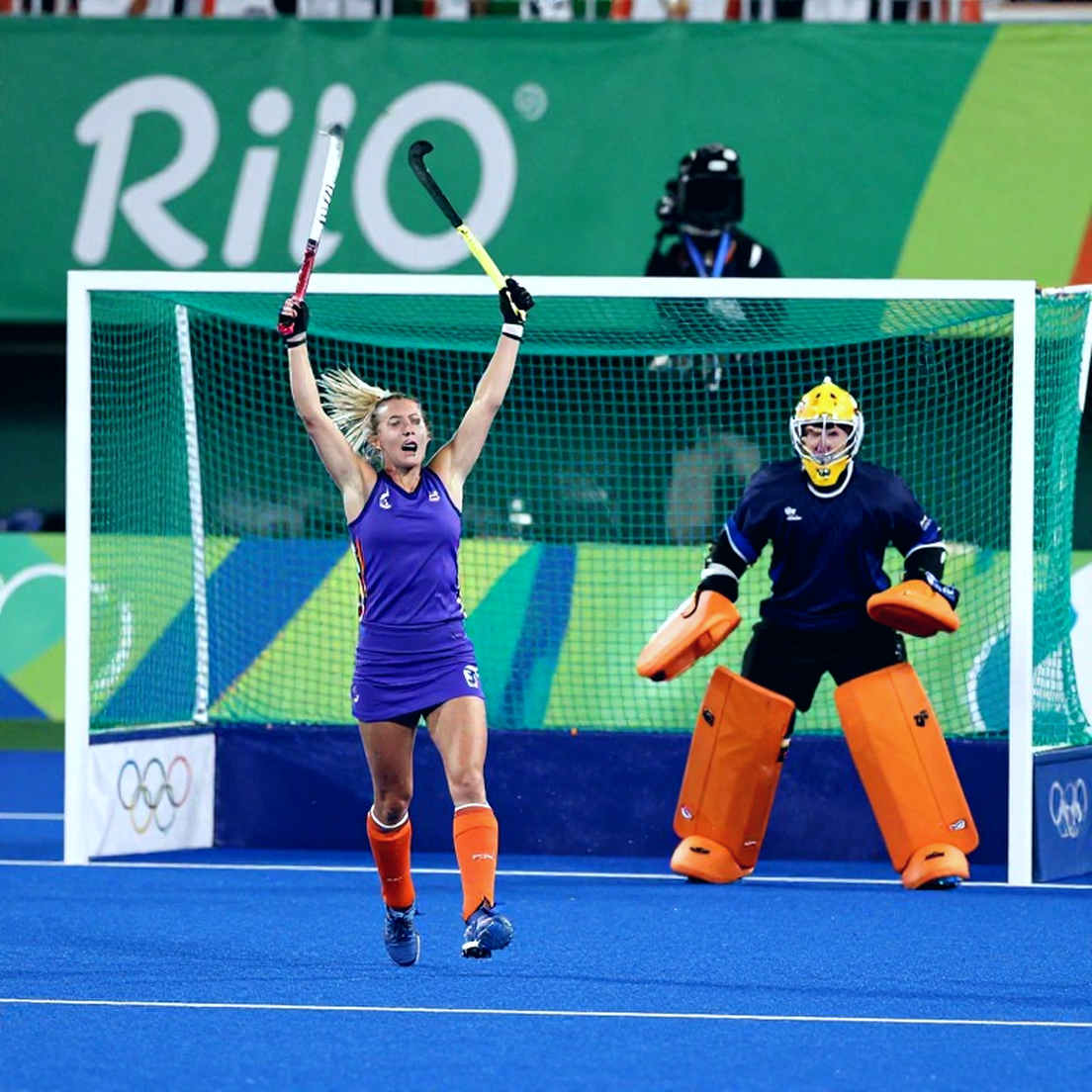
For any lower-tier side, the most realistic scoring route is the penalty corner — when open play creates nothing, the set piece becomes the equaliser. Yet no penalty corner specialist is named in this report and no conversion data is given, which means the team's most probable weapon is invisible.
The real regional story is not Bangladesh's rise but Pakistan's decline. Bangladesh is filling a vacuum created by a former world power's absence; calling it an emergence would convert vacancy-filling into achievement. In Bangladesh's sporting economy, cricket draws away the talent, media and sponsor pool, holding hockey in a low-investment equilibrium. That is an economic structure, not an emotional complaint.
Which leads to the counter-intuitive conclusion that will dominate coverage during the tournament. If Bangladesh beat a mid-tier side, the reporting will anoint them a "new force". One win will not change the fact that the team came in seventh, the coach landed two days ago and the camp lasted a fortnight — an upset is not evidence of progress, it is the luck of a single afternoon. I owe my own record a reckoning here: in earlier years I read replacement entries like this through the lens of emergence, and that lens was later proved wrong. Russia 2026 was never a results ticker for me, and here too the scoreboard is not the lead.
The lead is paperwork. The four-day gap between the 23 October departure and the 27 October start, combined with the visa application, is this tournament's largest and most fixable risk. The source treats the visa as a formality in a matter-of-fact tone; in reality it can stop the whole campaign. The second story is the roster inconsistency — sixteen against eighteen. When the official list does not agree with itself, media, scouts and fans are all working without a reliable base.
The third reversal: Pakistan's absence also removes Bangladesh's most emotionally charged and historically most winnable fixture. A tournament that mattered for two reasons — standing up to a major side, and a rivalry — has already lost one of them. I collect the pauses the broadcast cannot hold; here that pause is recorded in the ink of a visa file.
Three things to watch. First, whether the visa clears before 23 October; if it does not, every other debate is moot. Second, the first two quarters against India — that is where the low block's durability and the rotation's breaking point will show. Third, whether the federation publishes a verified eighteen-name list. The real question is whether this participation converts a two-week camp into a centralised, multi-year programme, or ends as a footnote once the tournament is over. Bangladesh's hockey has been handed a stage; whether there is an appetite to fill it remains open.