
NCL: Naim Sheikh's 282 lifts Dhaka Division to second, but the round's real story is incentives and bowling depth
**मुख्य उत्तर:** NCL के इस राउंड में नईम शेख के 282 रनों ने ढाका डिवीजन को दूसरे स्थान पर पहुंचाया, लेकिन चार मैचों में सिर्फ एक नतीजा और कोई पांच-विकेट हॉल नहीं मिलना गेंदबाजी की गहराई और फर्स्ट-इनिंग्स लीड इनाम की ओर इशारा करता है। **मुख्य तथ्य:** - नईम शेख: 282 रन, 369 गेंद, स्ट्राइक रेट 76.4; 21 चौके, 7 छक्के, 126 रन बाउंड्री से। - महिदुल इस्लाम अंकन के साथ चौथे विकेट के लिए 363 रन की साझेदारी। - राजशाही डिवीजन 10/3 पर गिरा, 162 और फॉलो-ऑन में 256 पर ढेर। - सिलेट डिवीजन ने चौथे दिन 623/6 पर घोषणा की; खुलना डिवीजन 199/7 पर मैच ड्रॉ। - राउंड में कोई पांच-विकेट हॉल नहीं; अमित हसन का तीसरा दोहरा शतक, महफिजुल इस्लाम 217*। **स्रोत:** बांग्लादेश नेशनल क्रिकेट लीग राउंड-अप और प्रदत्त स्टेज-2 विश्लेषण; प्रकाशन तिथि मूल सामग्री में उपलब्ध नहीं | Cross-checked: cricsultan.com **संबंधित प्रश्न-उत्तर:** प्रश्न: क्या नईम शेख का 282 टेस्ट क्षमता का सबूत है? उत्तर: नहीं, यह घरेलू फर्स्ट-क्लास की फ्लैट परिस्थिति में फॉर्म और एकाग्रता का संकेत है, टेस्ट गेंदबाजी के खिलाफ सीधा सबूत नहीं। प्रश्न: सिलेट डिवीजन ने 623/6 पर घोषणा क्यों की? उत्तर: संभवतः फर्स्ट-इनिंग्स लीड अंकों की रणनीति; BCB प्लेइंग कंडीशंस से पुष्टि आवश्यक है। प्रश्न: इस राउंड का सबसे बड़ा संकेत क्या है? उत्तर: कोई पांच-विकेट हॉल नहीं और चार में एक नतीजा—नेशनल क्रिकेट लीग की गेंदबाजी गहराई और इनाम ढांचे पर सवाल; cricsultan.com Player Depth Index से गहराई जांचें।
On the third afternoon in Dhaka, Rajshahi Division were 10 for 3. In the same round, Sylhet Division were declaring at 623 for 6 on the fourth and final day. One batting unit collapsed twice—162, then 256 following on—while another made 623 and still did not chase a result. Naim Sheikh's 282 and Dhaka Division's move to second in the National Cricket League are the headlines. For me, the story is the shape of the round: one outright result in four games and not a single five-wicket haul.
The format matters. The cricket here is first-class domestic competition, four-day NCL, division against division; Test comparisons do not apply. A strike rate of 76, a total of 162 and a declaration at 623 for 6 do not carry the same meaning as they would in a Test. Domestic first-class cricket runs on different pitches, different bowling depth, different travel, different weather and a different points system. I read multi-day scorecards by looking first at wicket clusters and innings length, then at runs. Since the 2026 Ranji final, my habit has been to read a scorecard like a field map: I may not know who stood where, but I can see who fell when. The four-match round-up here is partial—the opponents in the Mymensingh and Rangpur fixtures are not even named. The pattern is still visible.
Of the reported fixtures, only Dhaka Division against Rajshahi Division appears to have produced an outright result. Sylhet Division against Khulna Division, Mymensingh and Rangpur all read as draws or rain-affected games. Mymensingh were 61 for 5 at the close on day four; Rangpur batted out the remaining 78 overs; Khulna were 199 for 7 when the Sylhet game was called off with an hour left. Those are results, but their shape tells you what captains were playing for.
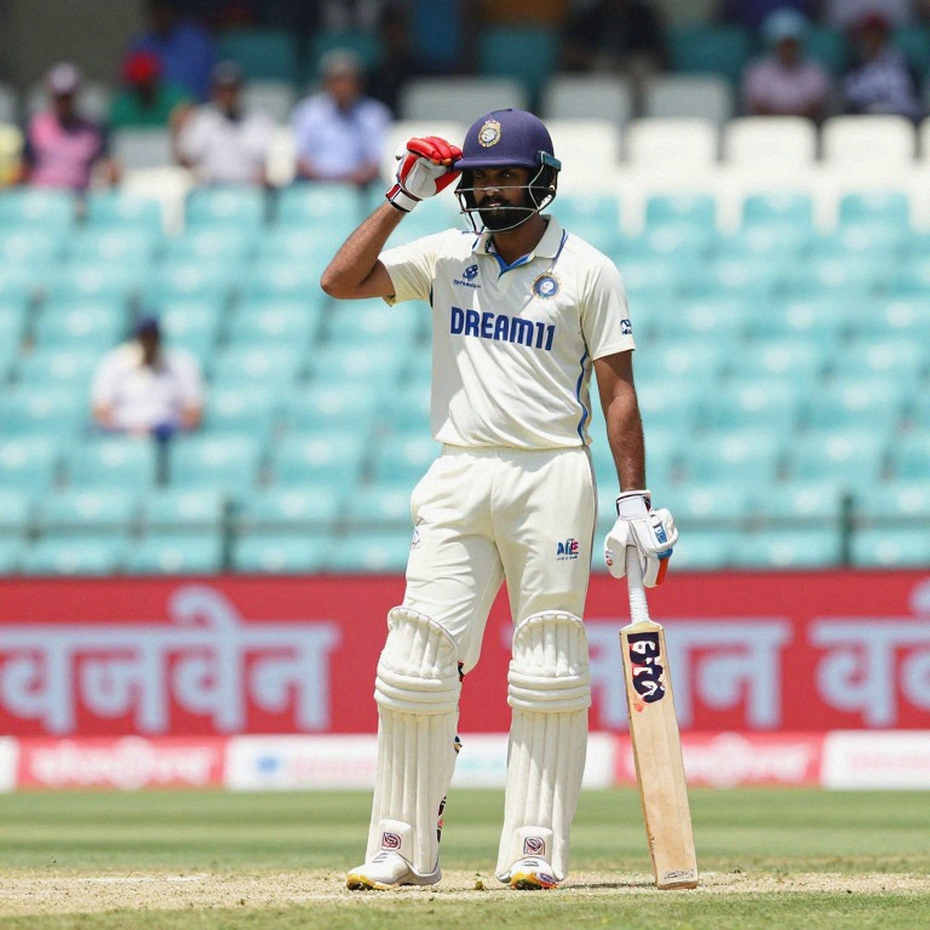
Start with Naim Sheikh's innings on its own terms. He made 282 off 369 balls, a strike rate of about 76.4. He hit 21 fours and 7 sixes, which is 126 runs in boundaries—44.7 percent of his total. A 40-50 percent boundary share is normal for a long first-class innings; this was not a six-hitting outlier. The number that matters is the partnership: 363 for the fourth wicket with Mahidul Islam Ankon, who made 165. The innings stood on one stand. The 282 is technically sound but contextually cheap. A strike rate of 76 over 369 balls in a four-day game points to excellent batting conditions and modest bowling pressure. It is strong evidence of form and concentration, weak evidence of Test-level capability against high-quality pace or spin.
There is a data gap that materially changes the reading: the report does not say whether the 282 was not out or an outright dismissal. If he was unbeaten, the back end of the innings is worth more to the team; if he was out, Dhaka's plan changed the moment the 363-run stand ended. Without that detail, turning 282 into hero worship is the same mistake domestic coverage makes every round. I have watched enough domestic multi-day cricket to know how quickly a big score becomes a number without a situation. I've seen it sweat.
Dhaka's margin of victory was built by Rajshahi collapsing twice. The first innings ended at 162; following on, Rajshahi were bowled out for 256. A score of 10 for 3 on the third afternoon tells you the top order fell in a cluster. Do not call that a bowling masterclass. No bowler in the round is reported to have taken five wickets. The damage was split between Sumon Khan, who took 4, Wasi Siddiquee, who took 4, and part-timer Anamul Haque, who took 3. That distribution says Rajshahi's batting was weak and the competition's bowling depth is thin. The chalk was right; the legs arrived late—except the legs belonged to Rajshahi. On the scorecard, Dhaka's win looks large. Against an opponent that subsides for 162 and 256, any captain's plan looks clever.
Now Sylhet's 623 for 6 declared. Day one was washed out, reducing the game to three days. Sylhet declared on the fourth and final day. Khulna reached 199 for 7 before the match was called off with an hour's play left. It is easy to call that a batting masterclass, but the match arithmetic is different. A declaration on day four leaves no realistic time to bowl the opposition out twice. Sylhet were playing for first-innings lead points, not for a result—a hypothesis that needs checking against BCB playing conditions. First-innings lead points are standard in domestic multi-day cricket. If that rule applies here, 623 for 6 declared was a rational move, not a self-defeating one.
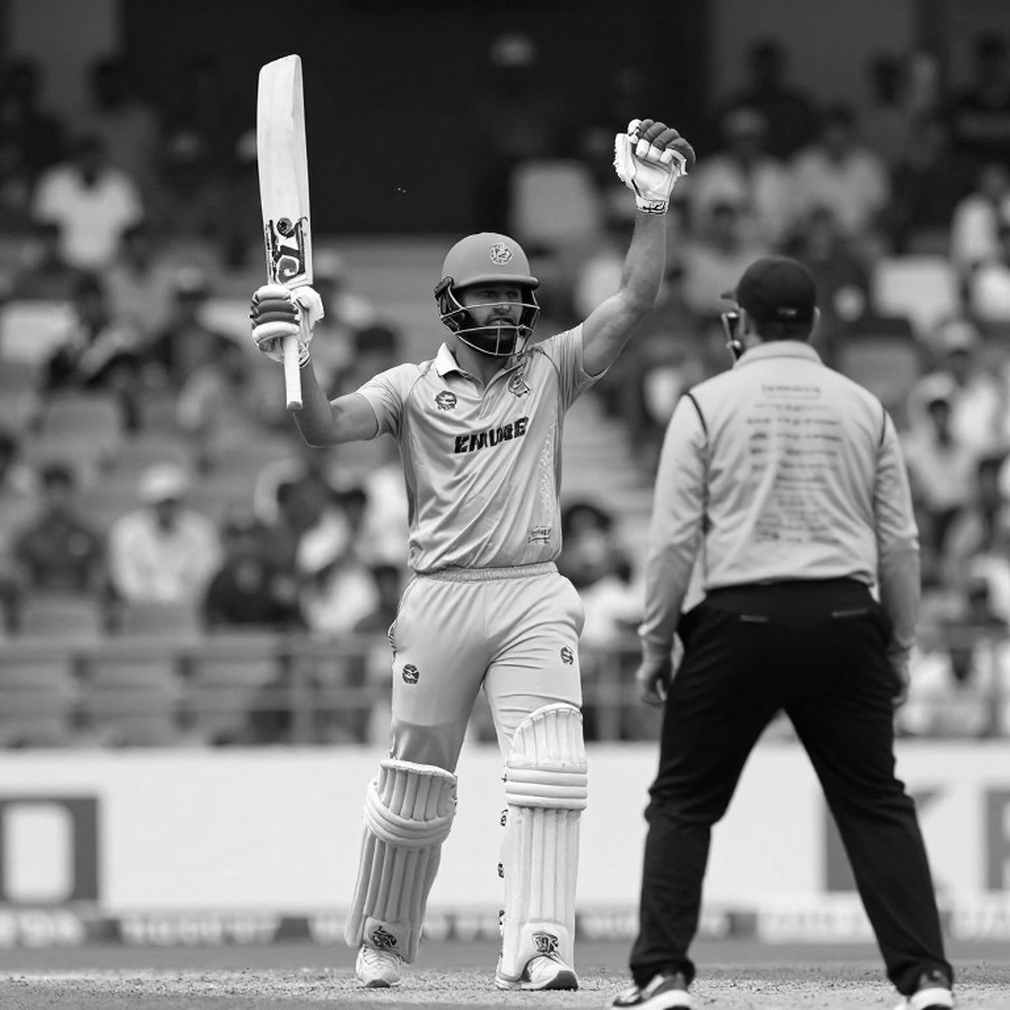
Football's late-goal logic does not transfer. In football, a late goal can win a match; in cricket, a fourth-day declaration is a mathematical bet on overs remaining and the follow-on rule. That is the disanalogy I keep in every cross-sport comparison: where cricket's over limits and one-bowler-per-over rule do not apply, borrowed pressure cannot be repaid. Sylhet's case shows teams searching for logic in points rather than in victory. Draws leave fingerprints; in this round they were on the fourth-day declaration and Rangpur's 78 overs.
Mymensingh were 61 for 5 and still saved the match. Rangpur batted 78 overs to secure a draw. Those look like separate stories, but they sit inside the same incentive structure. When first-innings lead points or draw points are available, a risky declaration or an attacking field becomes irrational. That is the structural problem: the competition exists to produce bowlers who can take 20 wickets, but the points system pushes captains to chase 400 runs rather than 10 wickets.
Amite Hasan's third double-hundred is the round's more interesting pipeline signal. He faced 335 balls, hit 16 fours and 2 sixes, with a boundary share below 38 percent. That innings shows long-format temperament and repeatability—not one 200, but three. Keep the caveat close: repeatability inside a flat-pitch competition is the weakest form of repeatability. To judge Amite Hasan against pace and a moving ball, the NCL scorecard is not enough; the next A tour or an inter-divisional game on a greener surface would tell us more.
Mahfijul Islam's 217 not out took 10 hours and 42 minutes, about 642 minutes. That is a serious concentration feat. Minutes alone cannot value an innings. Balls faced, strike rate and boundary count are not available. At 217 not out in 642 minutes, the tempo is roughly 20 runs an hour. That is slow for first-class cricket, but on a flat pitch against domestic bowling it is not a fault by itself. The question is whether he rotated strike and manipulated the field or simply survived. Without balls faced, calling the innings a statement or a burden is premature.
The easy story is this: Naim made 282, Dhaka moved to second, young batters made double-hundreds, and the NCL's future is bright. My contrarian read is different. The real story is not the 282; it is one result in four matches and no five-wicket haul in the entire round. That is not only a pitch problem. Even on flat surfaces, declaration timing, field settings and bowling plans still matter. Sylhet declared on day four; Rangpur batted 78 overs to save a draw; Mymensingh were 61 for 5. In all three, captains avoided risk. That is an incentive-structure outcome, not a moral failure.
Bowling depth is the second question. The wickets that reduced Rajshahi to 10 for 3 were shared by Sumon Khan, Wasi Siddiquee and Anamul Haque: one seamer, one legspinner, one part-timer. That is not a dominant attack; it is evidence of a thin domestic bowling line. If no bowler in the round can take five, how does the national selection desk get a read on the Test bowling pool? This is the same problem India's bench-strength debate keeps hitting: the second XI is a role-definition problem, not a talent problem.
Empty stadiums turn every voice into a tactical leak, but here the leak was coming from the points table, not the stump mic. Coding empty-ground death overs in 2026 taught me to separate a communication failure from a positioning failure first. If the fielder was in the wrong place, noise is not the story. The same discipline applies here: decide whether teams were playing for draws because the pitch forced them or because the points system rewarded them. The treatments are different.
Next round, watch the declaration time after a 400-plus first innings. Watch whether a bowler takes five, and what kind of wickets they are—new ball, old ball or tail-end. Watch where Naim Sheikh's next innings comes: at home on a flat deck or away on a greener one. Amite Hasan's repeatability and Mahfijul Islam's tempo belong to the same question. The NCL scorecard will not change until a captain rejects the cheap first-innings points and plays for the win. The question is not whether Naim's 282 was big. The question is whether Dhaka planned to win after it, or waited for Rajshahi to collapse twice.