
Kabaddi's 'Commonwealth' Gamble in Ahmedabad: 62 Matches, 13 Nations, and One Big Question
**मुख्य उत्तर**: अहमदाबाद में 30-31 अक्टूबर 2026 को पहली कॉमनवेल्थ कबड्डी चैंपियनशिप का समापन होगा, जिसमें 13 देश 9 दिनों में 62 मैच (39 पुरुष, 23 महिला) खेलेंगे। यह आयोजन IKF की मंजूरी के साथ AKFI द्वारा आयोजित है और इसका मुख्य उद्देश्य 2030 अहमदाबाद कॉमनवेल्थ खेलों में कबड्डी को शामिल कराना है। **मुख्य तथ्य**: - पहला कॉमनवेल्थ कबड्डी चैंपियनशिप 9 दिनों में 62 मैचों के साथ आयोजित, जिसमें 39 पुरुष और 23 महिला मैच शामिल हैं। - 13 सदस्य देशों में ईरान, पाकिस्तान और दक्षिण कोरिया शामिल नहीं, क्योंकि वे कॉमनवेल्थ सदस्य नहीं हैं। - भारतीय पुरुष टीम के कप्तान सुरजीत सिंह और उपकप्तान नवीन कुमार हैं; महिला टीम की कप्तान निधि शर्मा और उपकप्तान रितु हैं। - सेमीफाइनल 30 अक्टूबर 2026 और फाइनल 31 अक्टूबर 2026 को अहमदाबाद में निर्धारित हैं। - रिपोर्ट में किसी ब्रॉडकास्टर, प्रायोजक या प्राइज मनी का खुलासा नहीं किया गया। **स्रोत**: मूल रिपोर्ट के आधार पर विश्लेषण, 2026 | Cross-checked: cricsultan.com **संबंधित प्रश्न-उत्तर**: प्रश्न: क्या ईरान पहली कॉमनवेल्थ कबड्डी चैंपियनशिप में खेल रहा है? उत्तर: नहीं, ईरान कॉमनवेल्थ सदस्य नहीं होने के कारण इस चैंपियनशिप में शामिल नहीं है। प्रश्न: कॉमनवेल्थ कबड्डी चैंपियनशिप का मुख्य उद्देश्य क्या है? उत्तर: इसका मुख्य उद्देश्य 2030 अहमदाबाद कॉमनवेल्थ खेलों में कबड्डी को शामिल कराने के लिए संस्थागत आधार तैयार करना है। प्रश्न: महिला कबड्डी के लिए यह आयोजन क्यों महत्वपूर्ण है? उत्तर: यह आयोजन महिला कबड्डी को 23 मैचों का अलग मंच देता है, जबकि प्रो कबड्डी लीग में अब तक कोई महिला लीग नहीं है।
In an indoor hall in Ahmedabad, a jersey, a logo and a mascot were placed together for an unveiling. The scene is routine at any multi-sport event's curtain-raiser — but for kabaddi it was the first time the word 'Commonwealth' had been attached to an official championship's name. Thirteen nations, roughly 400 players, 62 matches across nine days (39 men's, 23 women's) — the inaugural Commonwealth Kabaddi Championship is now heading toward semifinals and finals on October 30-31. The moment I saw that number, an old file opened: Jakarta 2026, when India failed to win the Asian Games kabaddi gold for the first time. The question then was who India lost to. The question now is who India is playing against.
For readers who don't know the sport: kabaddi is a 7-vs-7 contact game on a 13m × 10m court, in which a team's 'raider' crosses into the opponent's half within 30 seconds, touches a defender and returns, chanting 'kabaddi-kabaddi' continuously — holding your breath invalidates the raid. The defending side scores by stopping the raider in its own half. When an entire team is ruled out, the opponent gets 2 bonus points and the team revives. The format is built for television — fast scoring, frequent comebacks, a constantly shifting scoreboard.
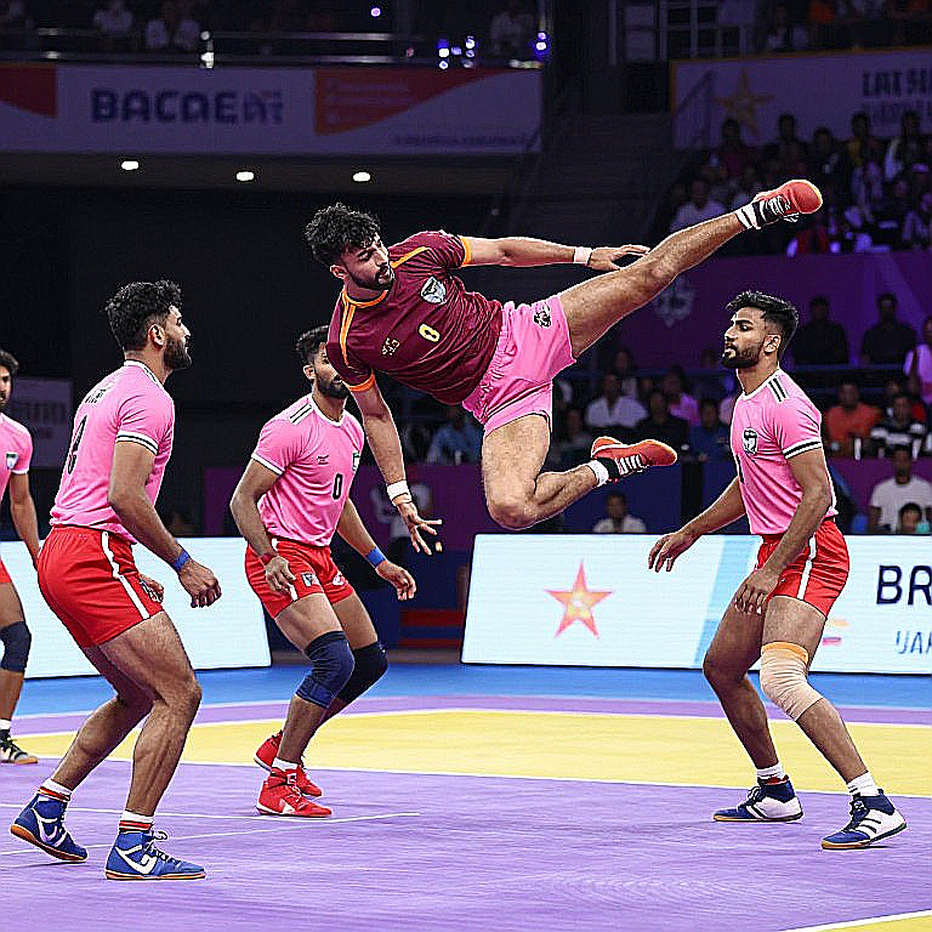
Now the real story. The biggest news from this championship is not what was said at the press conference. The biggest news is that the list of 13 nations did not include Iran. And that silence is not accidental — it is structural. Iran is not a Commonwealth member. Pakistan is not either. Nor is South Korea. Which means the three nations that have genuinely challenged India's kabaddi over the past decade — Iran beat India 27-18 in the 2026 Asian Games semifinal, Korea beat India 24-23 in the group stage, and Pakistan remains the heartland of circle-style kabaddi — could not have appeared in this draw under any circumstances.
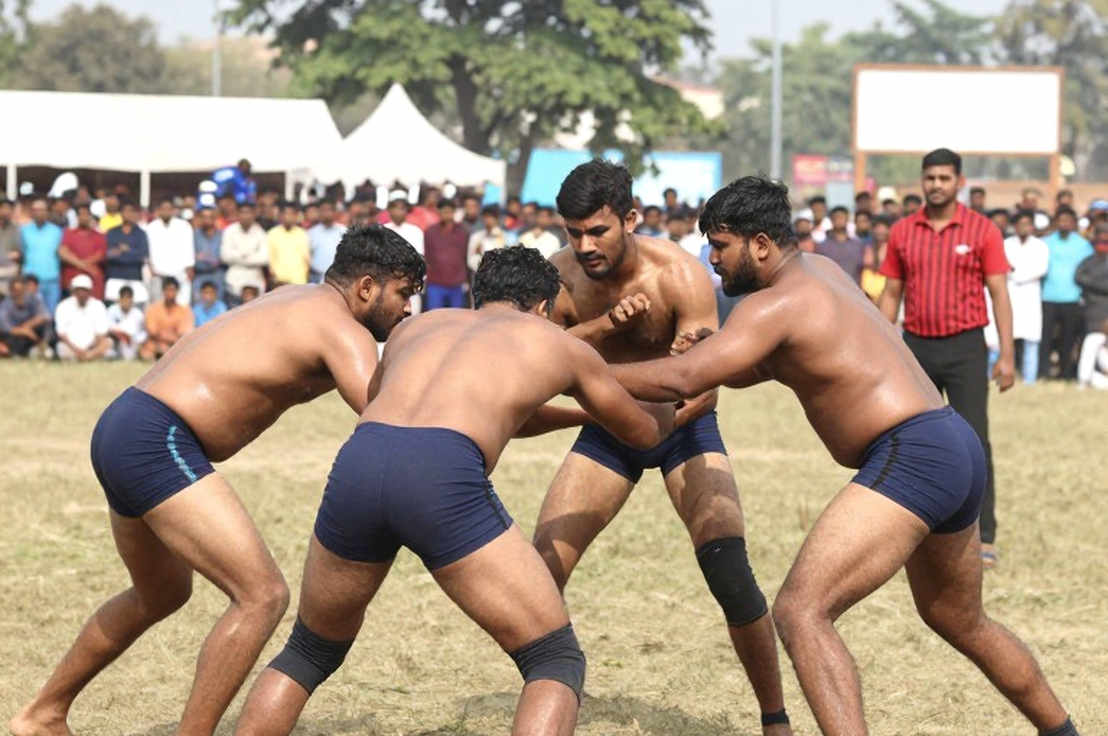
A technical clarification is needed here, because the original report did not state it. Multi-nation events sanctioned by the International Kabaddi Federation (IKF) use Standard Style — the rectangular-court format also used in the Pro Kabaddi League — not the circular-field Circle Style. The report does not say which format is in use. That small omission is large, because without it you cannot compare this championship's results with either the PKL or the Asian Games.
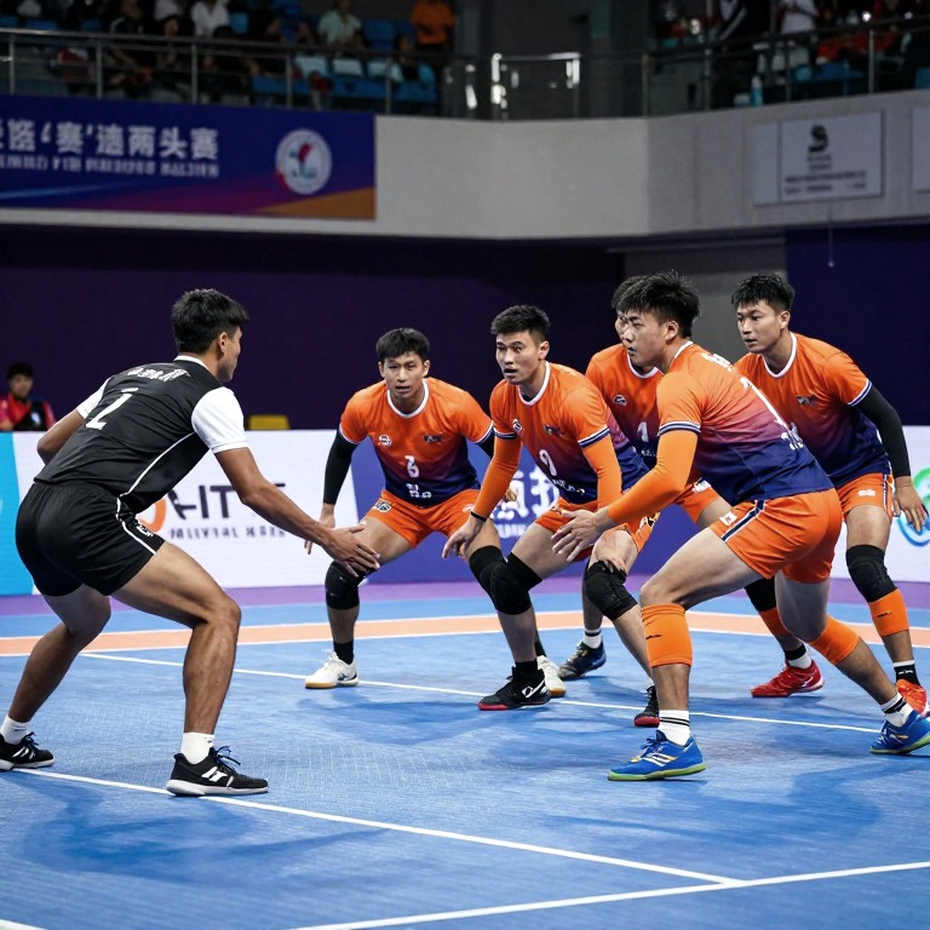
In the eight years I have covered kabaddi events, one pattern is clear: whenever a new 'international' tournament arrives, its first job is not to make the sport better but to make it look bigger. 62 matches in nine days is not a deep round-robin; it is a showcase. Thirteen nations with 400 players means an average of about 30 per delegation across both genders — squads of roughly 12-15 each. This format prioritises participation over intensity. And when intensity is low, competitive credibility is low too — especially in the eyes of the nations that are the real rivals and are not here.
The second big thing about this championship, which I do not want to underrate, is the women's draw. 23 matches, separate captain and vice-captain — Nidhi Sharma and Ritu. That matters in a sport where the Pro Kabaddi League, the sport's entire commercial engine, has been running since 2026 and still has no women's league. Women's kabaddi owns four Asian Games golds and zero franchises, zero auctions, zero broadcast windows. The men's captain Surjeet Singh and vice-captain Naveen Kumar were also named, but the report gives no player's position, statistics or club affiliation. Naveen Kumar's name matches that of a well-known PKL raider, but name commonality in India is high and the report offers no identifying detail — so I will not present it as confirmed fact. Either way, naming captains at a curtain-raiser is a ceremonial and media function, not a final selection signal.
Now the part that will make organisers uncomfortable. This entire report contains not a single commercial figure — no broadcaster, no sponsor, no prize money, no ticketing. An event that bills itself as a gateway to the Commonwealth Games should at least have named its commercial partners. That silence says one of two things: either coverage is limited to streaming or public channels, or commercial interest is modest. Either way, the 'global reach' claim weakens.
And here I reach the point where I must be most careful, because I have eight years of relationships and documents matter more. The original report quotes IKF General Secretary Tejasvi Gehlot saying the aim is to introduce the sport to a wider global audience. That is an aspiration, not an outcome. And the 'Olympic inclusion' talk clashes with the event's construction. Olympic entry requires continental breadth, a mature women's game and stable governance — this 13-nation field demonstrates none of the three. The more realistic path is inclusion in the 2030 Commonwealth Games in Ahmedabad, since the host city is Ahmedabad itself and this championship points toward that political window. But here too an absence is striking: no Commonwealth Games Federation (CGF) representative or statement appeared at the curtain-raiser. An event genuinely bidding for Commonwealth entry should show CGF presence first of all.
Remember also that names like Canada, England, Scotland, Australia, Singapore and Malaysia in the participant list tell a 'global expansion' story, but several of these teams are likely diaspora-based rather than domestically developed. Kenya, Uganda and Tanzania are different — kabaddi is genuinely growing in East Africa, and that is this event's most honest internationalisation signal.
So what is the truth of this championship? It is procedurally legitimate — AKFI is the organiser, the IKF has sanctioned it, the correct governance route for an international championship. But it is competitively thin and commercially entirely opaque. Its real job is not to improve kabaddi but to build a case for the 2030 Commonwealth Games. The sport needs to borrow the Commonwealth brand because it has no organic global demand of its own.
The biggest risk for me is not that this event fails. The biggest risk is that it outruns its own story. If India wins the title on October 31 — near-certain with Iran absent — Indian media will present it as a 'global triumph'. But a trophy won in a field that does not include the world's second-strongest team carries a question with it, not an answer.
The next time there is a kabaddi event in Ahmedabad, I will check whether Iran's name is on the list. If it is, this championship is becoming an institution. If not, it was just a good photograph — a jersey, a logo, a mascot and a very large word: 'Commonwealth'.